 Explorar
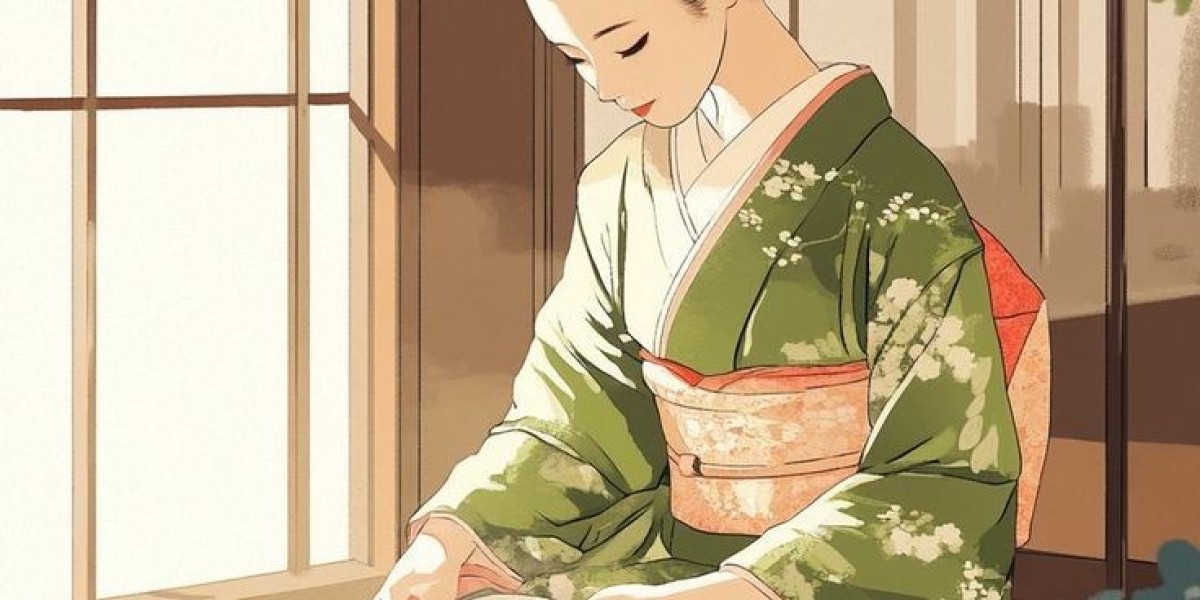
The Japanese tea ceremony, known as Japanese tea ceremony, is performed in a quiet and simple tea room, often designed to connect people with nature. The environment is peaceful, with minimal decoration to encourage focus and reflection.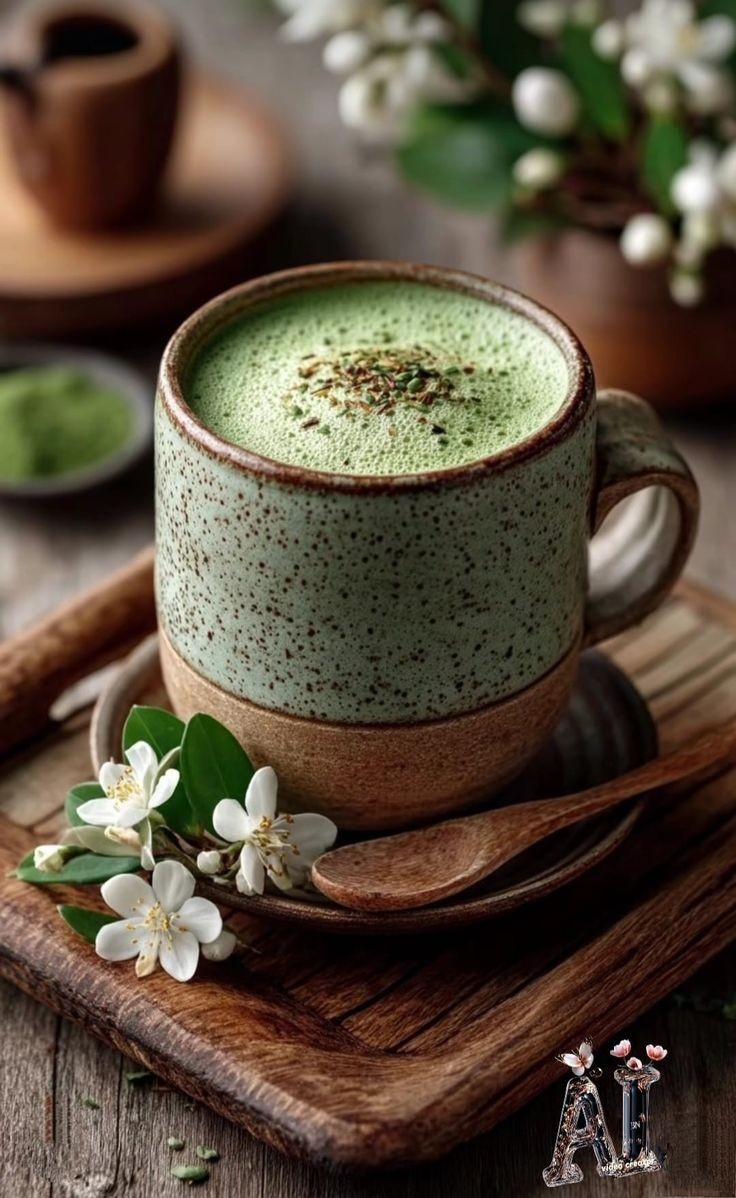
During the ceremony, the host prepares green tea (matcha) with slow, graceful, and precise movements. The utensils are carefully cleaned, and the tea is whisked in a traditional bowl. Guests follow strict etiquette, such as bowing, appreciating the bowl, and drinking the tea silently. Every step shows respect and discipline.
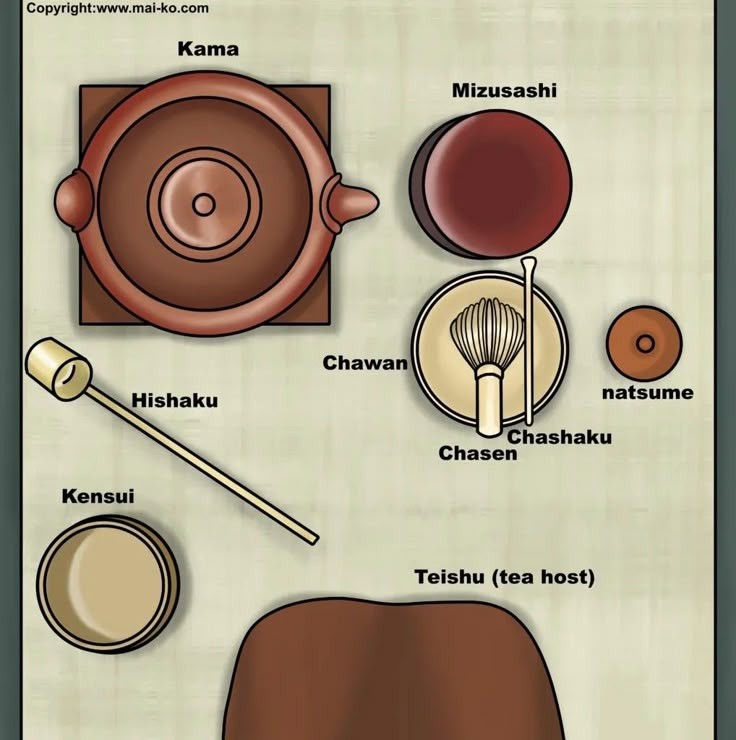
This ceremony is deeply connected to Japanese values such as harmony, purity, respect, and tranquillity. It teaches people to slow down, appreciate simple moments, and live mindfully. In today’s fast and stressful world, the tea ceremony offers a rare opportunity to experience peace and emotional balance.
In conclusion, the Japanese tea ceremony is a beautiful cultural tradition that goes beyond preparing tea. It is a spiritual and educational experience that teaches mindfulness, respect, and harmony. By practicing or observing it, people can learn to appreciate silence, simplicity, and the beauty of the present moment.